Polymer Formwork Panels vs. Film-Faced Plywood: 8 Engineering & Cost Differences
Side-by-side structural and financial comparison between cellular polypropylene panels and film-faced timber plywood across 8 critical construction metrics.

Executive engineering guides for contractors before investing in polymer formwork panels: 15/18/21mm series comparisons, 60+ pour protocols, 60-pour ROI amortization models, and H20 beam span tables.
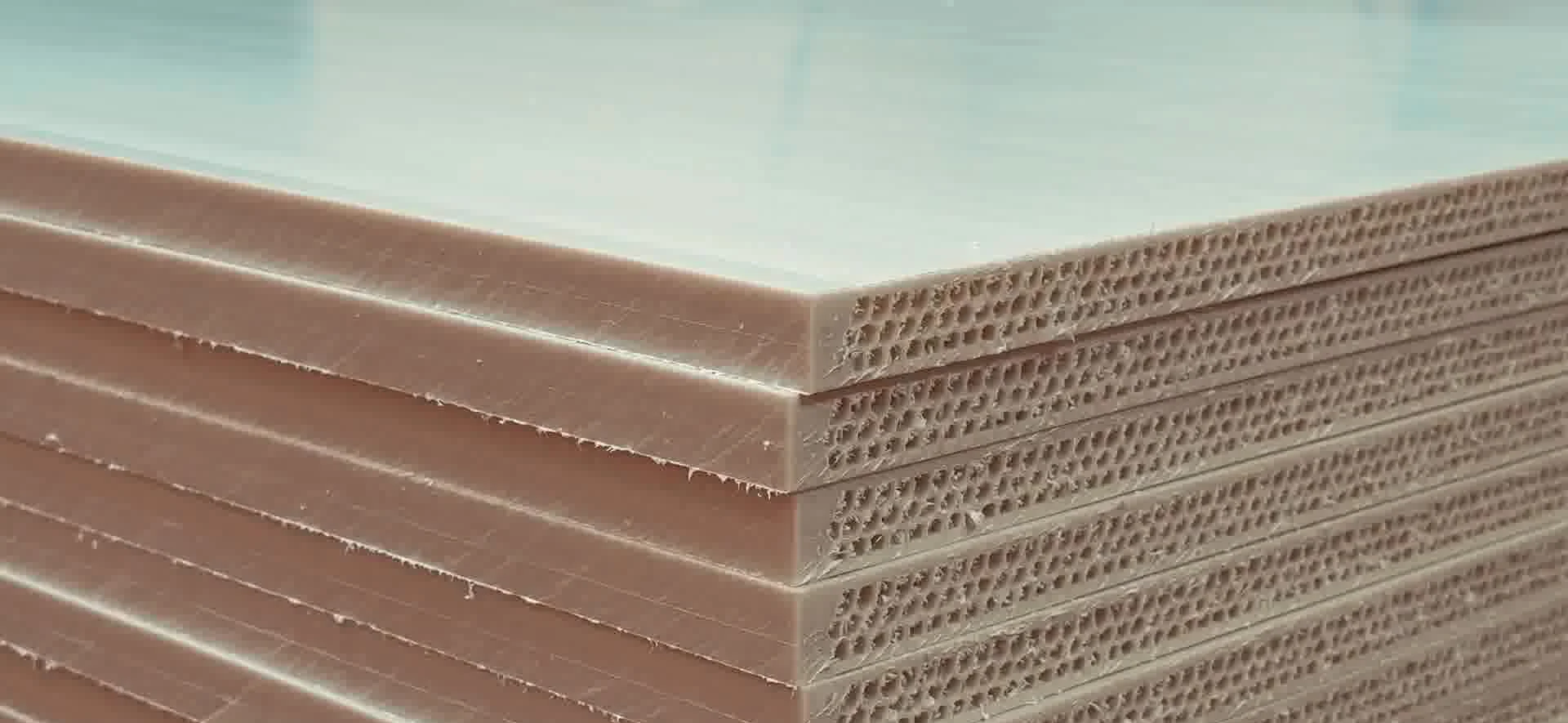
An executive engineering breakdown of cellular polypropylene (PP) formwork panels: extrusion technology, zero water absorption, and 60+ pour lifecycle ROI for contractors.
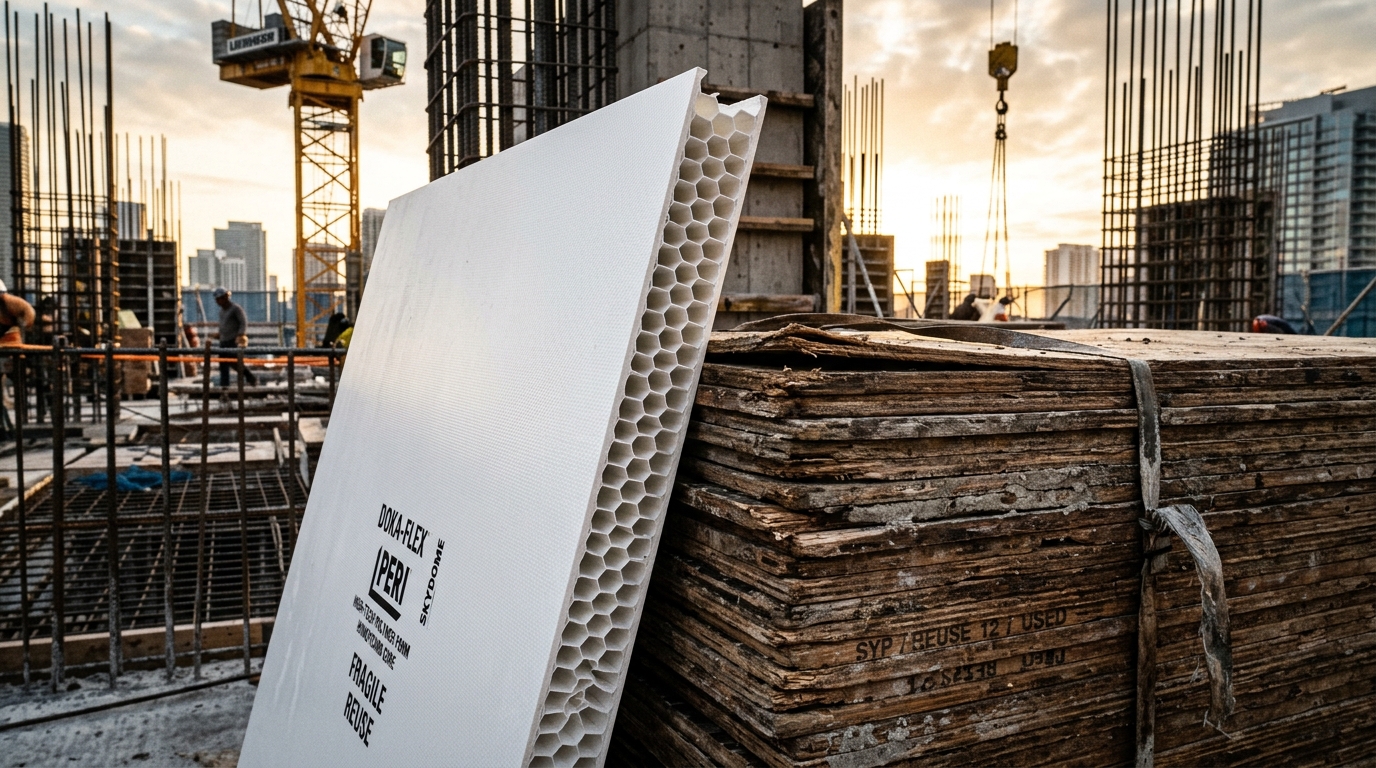
Why tier-1 contractors replace 6 consecutive batches of birch plywood with a single set of SerPlywood panels: eliminating plastering, release oil, and crane bottlenecks.
Engineered with real jobsite data, lab tests, and lifecycle cost models.
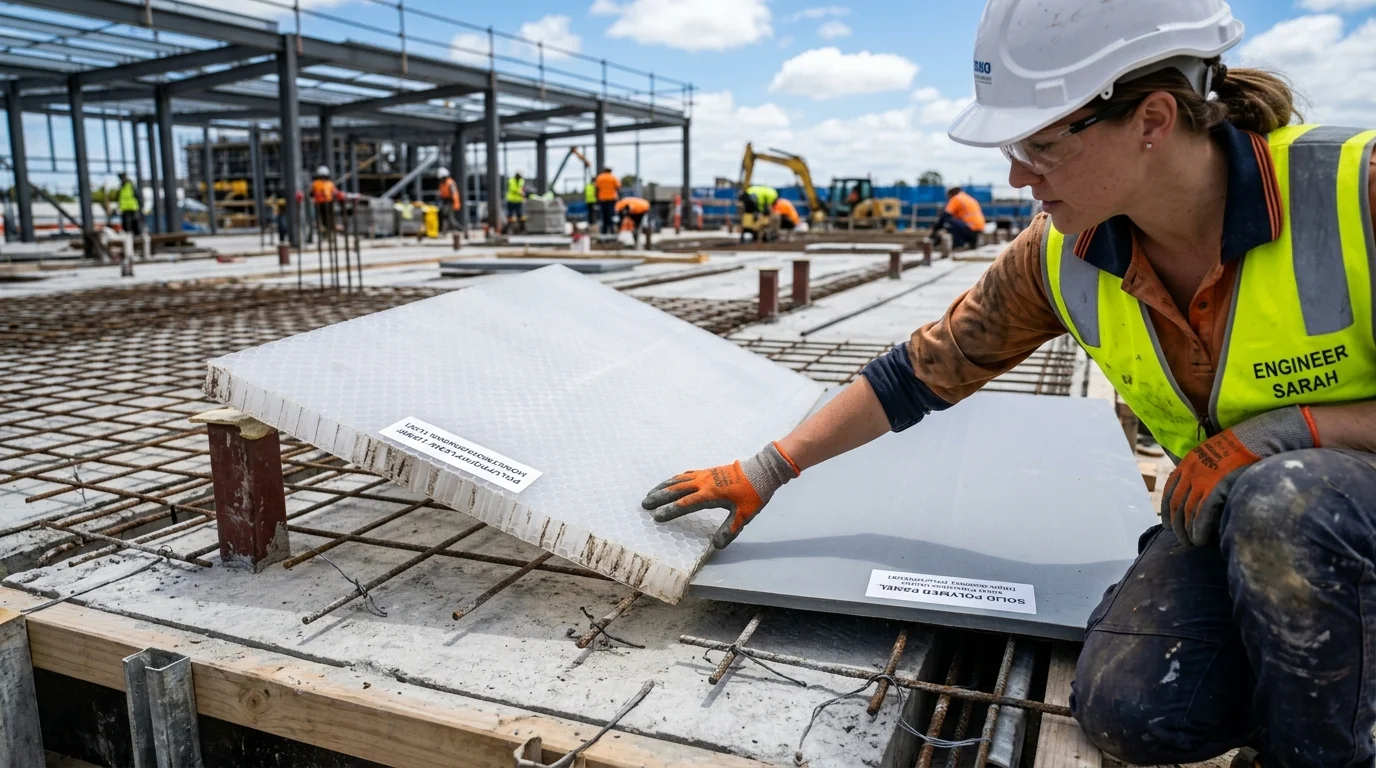
Side-by-side structural and financial comparison between cellular polypropylene panels and film-faced timber plywood across 8 critical construction metrics.
Financial modeling for construction procurement teams: calculating true cost per m² pour by factoring batch replacements, release agent savings, and end-of-life buyback.
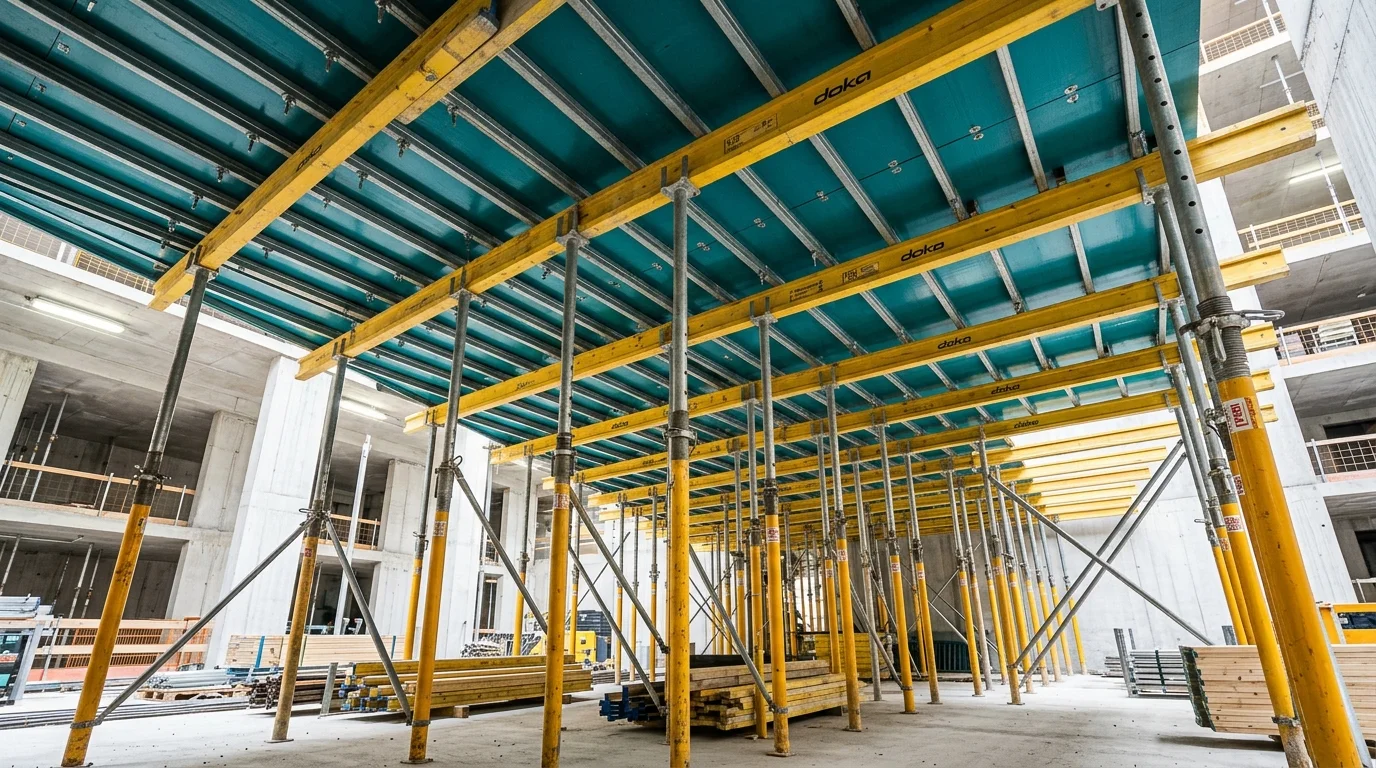
Standard operating procedures for site engineers to consistently achieve 60 to 80+ pours per panel through proper shoring spans, edge fastening, and stripping discipline.
Engineering selection matrix matching 15mm, 18mm, and 21mm polymer panels to high-rise towers, mass housing, infrastructure viaducts, and precast factories.
How fixed-weight non-absorbent panels reduce carpenter fatigue, accelerate stripping, and free up tower crane capacity on fast-track projects.
Turning formwork waste into residual asset value: 100% recyclable polypropylene regrind buyback and LEED v4 / BREEAM sustainability credits.
Material science comparison between cellular PP copolymer panels and solid PVC boards: sub-zero impact toughness, nailing elasticity, and freight weight.
Ready-to-use tender specification clauses for 18mm (32 kg) polymer formwork panels, ISO 178 flexural modulus thresholds, and H20 girder compatibility.
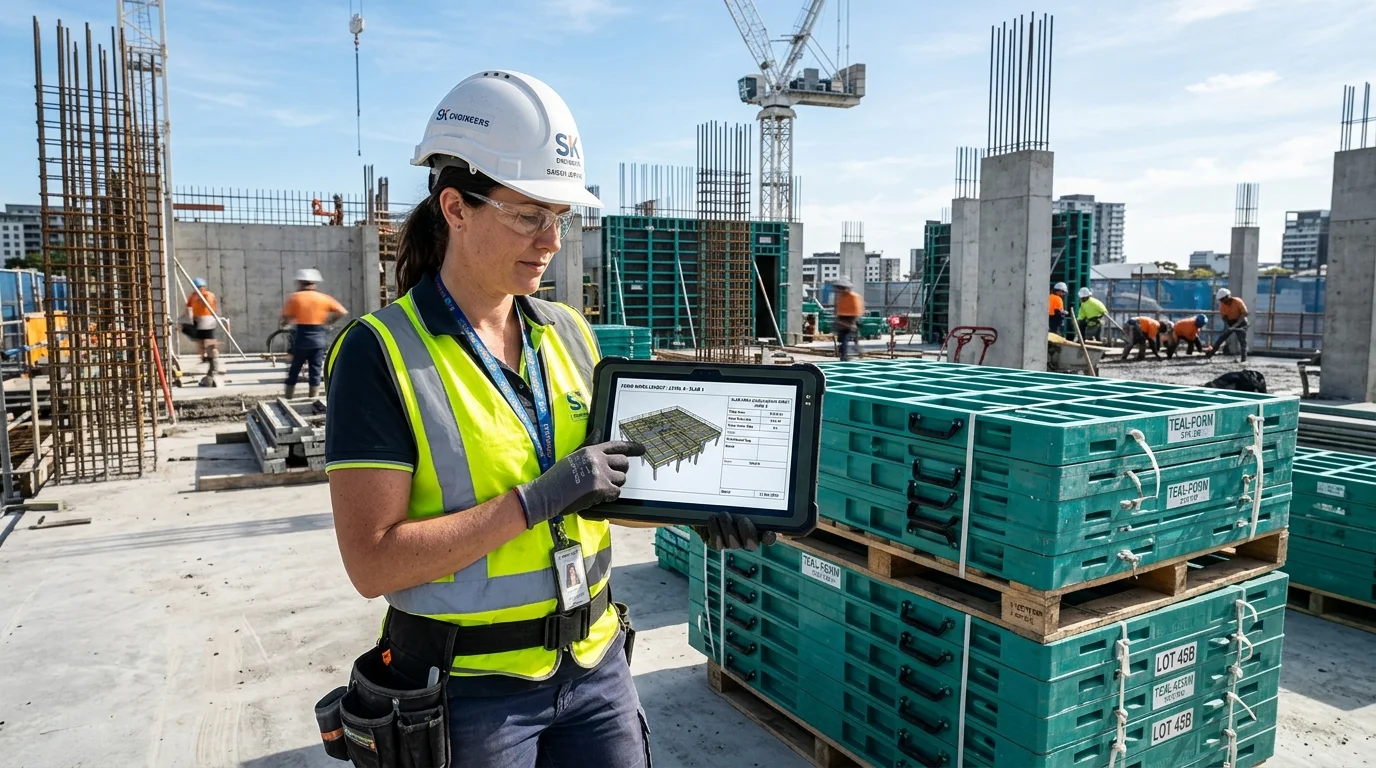
Quantity takeoff methodology converting slab and wall areas into 125x250cm panel counts, waste allowances, pallet stacks, and 40HC container loads.
Managing thermal dilation in desert/Mediterranean summers (+50°C) and impact resilience in sub-zero continental winter pours (-20°C).
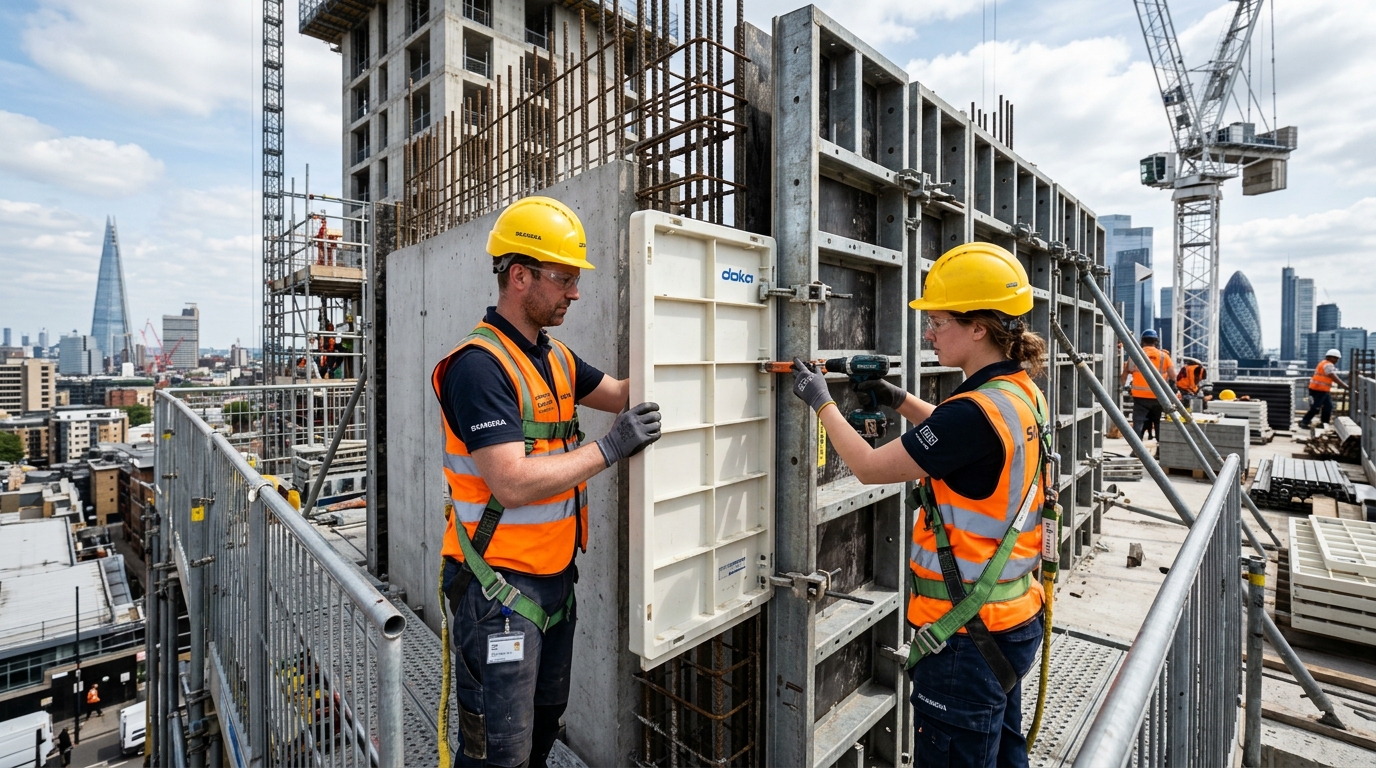
Fastener selection, 25mm minimum edge margin, torque-controlled screwing, and non-destructive stripping procedures for cellular PP panels.
Achieving mirror-smooth SB3 architectural concrete surfaces ready for direct painting while cutting chemical release agent consumption by 85%.
Structural deflection tables (L/500 criteria) for 15mm, 18mm, and 21mm polymer panels across H20 timber girder spans under 30 to 75 kN/m² hydrostatic loads.
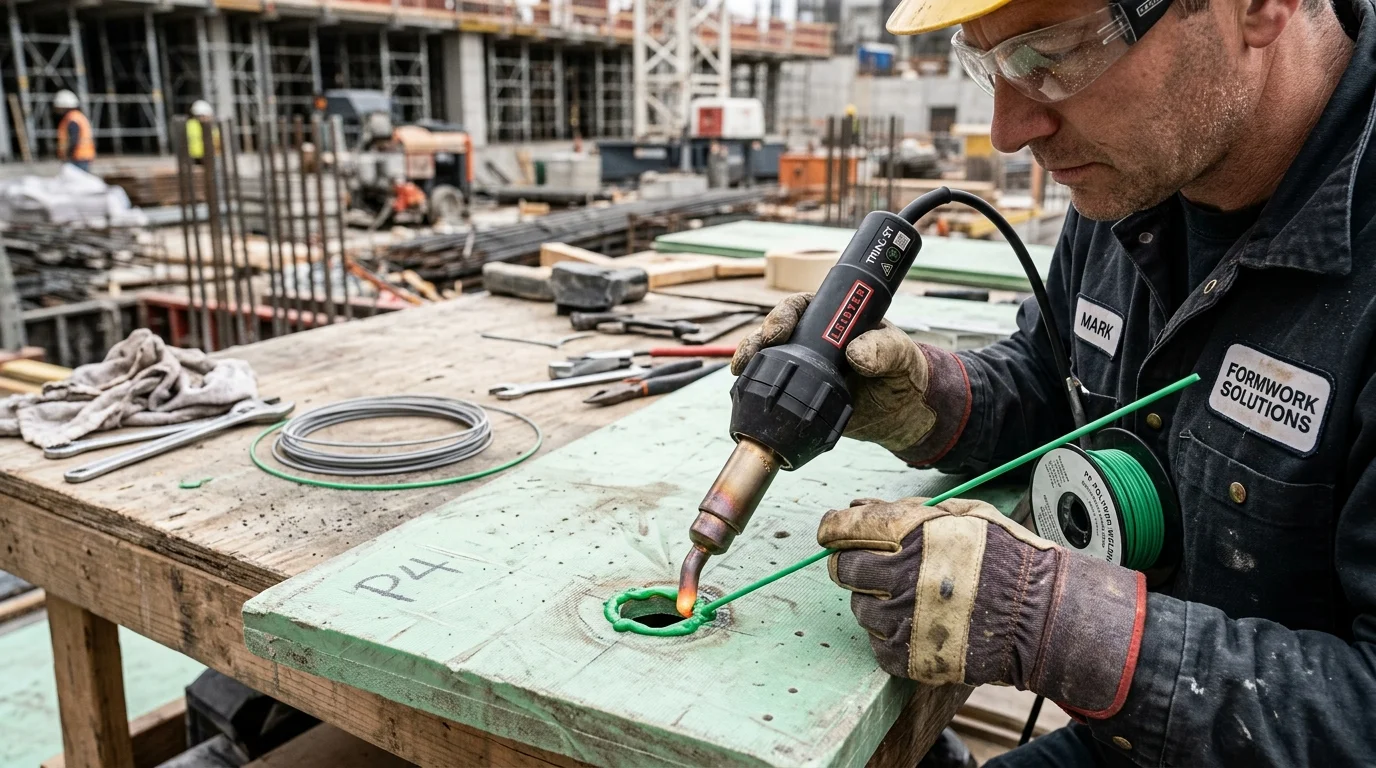
Restore perforated or scratched panels on site in 2 minutes using PP welding rods and hot-air guns, plus 150-bar water jet cleaning protocols.
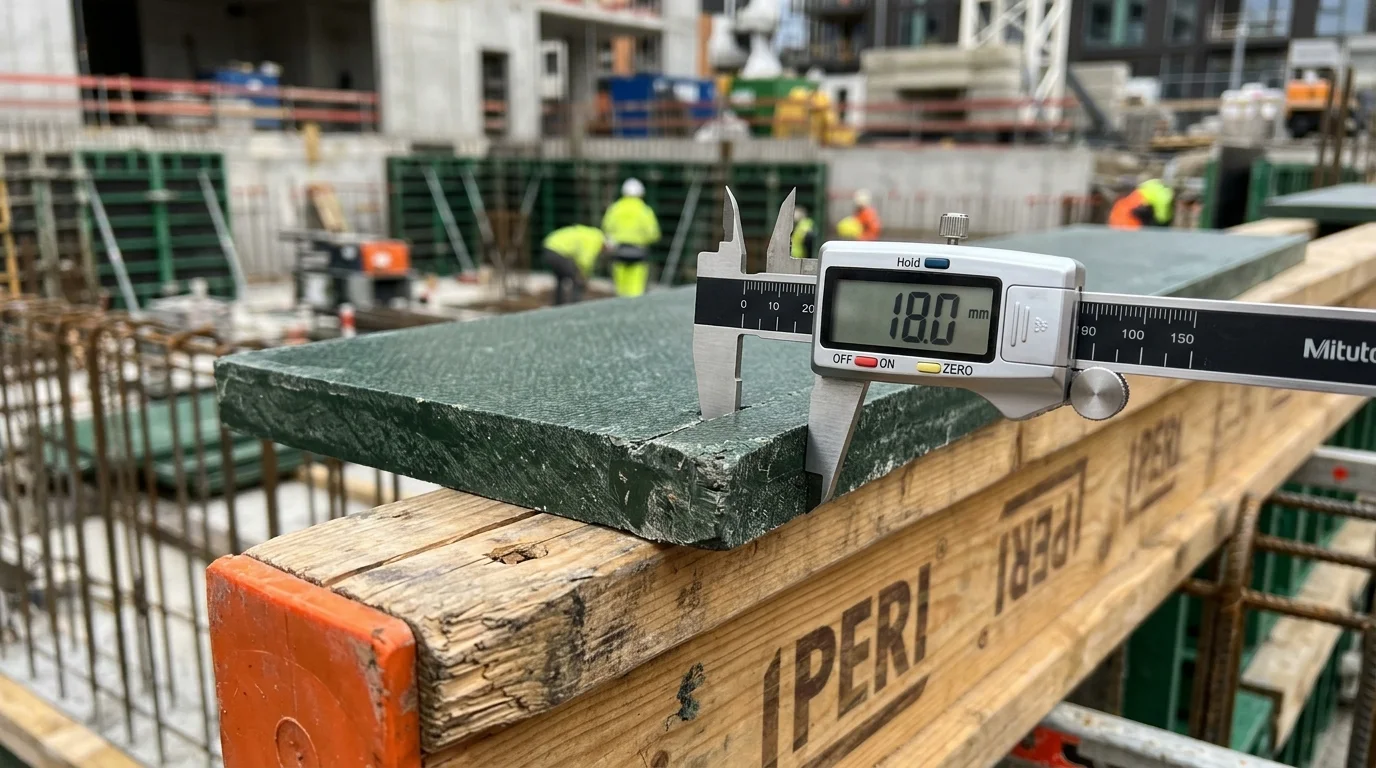
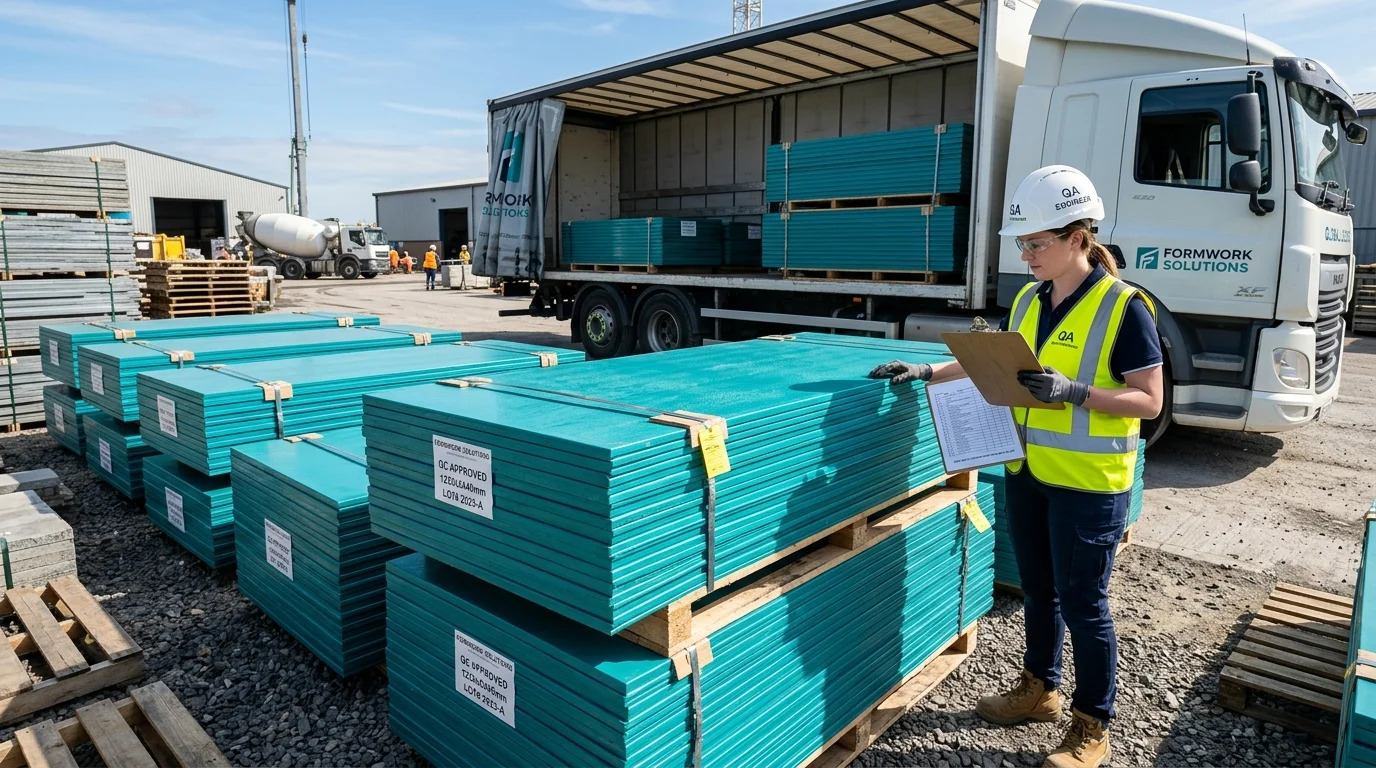
Standardized QA/QC receiving protocol for site engineers: forklift unloading, caliper thickness checks, unit weight verification, and batch traceability.
Common questions regarding board selection, reuse cycles, technical parameters, and global delivery.
It is a widely used commercial term for polymer sheets used as concrete formwork facing. When evaluating the product, the polymer type (PP or PVC), internal cross-section, dimensions, and manufacturer instructions must be assessed together.
No, they belong to different material families. Having the same nominal thickness does not imply identical weight, stiffness, or handling conditions; products should be compared using verified technical data.
Depending on jobsite practices, handling care, and stripping discipline, boards achieve between 40 and 80+ concrete pours. This is a field-observed operational range under proper maintenance rather than an unconditional guarantee.
Pricing is determined by thickness (15, 18, 21 mm), cellular honeycomb engineering, order volume (sheets, pallets, full container/truckload), and delivery terms (jobsite, warehouse, or seaport).
Manufacturer declarations and technical compliance certificates must be examined. Recycled content ratios and polymer origins vary, and SerPlywood provides verified technical documentation for material compliance.
Water resistance is the greatest advantage over timber (zero swelling or delamination). However, deflection under load and thermal expansion must still be engineered properly.
Share your required board dimensions, thickness, estimated quantity and delivery destination for a clearly scoped quotation.